 blog
blog
10 Essential Influencer Disclosure Rules for Beginners
Table of Contents
- Why Influencer Disclosure Rules Matter
- ASA Influencer Disclosure Guidelines: What You Need to Know
- The 10 Essential Influencer Disclosure Rules
- Rule 1: Disclose All Paid Partnerships Clearly
- Rule 2: Use Approved Disclosure Tags and Hashtags
- Rule 3: Place Disclosures Where Followers See Them First
- Rule 4: Disclose Gifted Products and Free Services
- Rule 5: Be Transparent About Affiliate Links
- Rule 6: Disclose Sponsored Content in Video Captions
- Rule 7: Declare Affiliate Relationships in Bio Links
- Rule 8: Update Disclosures for Stories and Reels
- Rule 9: Document All Agreements in Writing
- Rule 10: Review Disclosures Before Publishing
- Influencer Disclosure Examples for Instagram
- Influencer Disclosure Templates You Can Use
- Common Mistakes to Avoid
- Managing Disclosure Compliance Across Multiple Campaigns
- Frequently Asked Questions
Last Updated: September 29, 2026
Why Influencer Disclosure Rules Matter
Influencer marketing has become a cornerstone of brand strategy. But with that growth comes responsibility. Regulators and platforms now take disclosure seriously. Followers deserve to know when someone is being paid to promote a product.
Getting this wrong carries real consequences. Brands face fines. Influencers lose credibility. Campaigns get pulled down. The good news? Proper disclosure is straightforward once you understand the rules.
At DG Digital Marketing, we help brands and creators navigate the complexities of influencer marketing. We understand the importance of proper disclosure for building trust and maintaining credibility.
ASA Influencer Disclosure Guidelines: What You Need to Know
The Advertising Standards Authority (ASA) sets the standard for disclosure in the UK. Their rules are clear: any content where someone is paid to promote a product must be labelled as advertising.
This applies to:
- Direct payments
- Free products sent for review
- Affiliate commissions
- Sponsored posts
- Brand partnerships
The ASA expects disclosure to be upfront and obvious. Not hidden in a caption. Not buried in a comment. Followers should see it immediately.
Different platforms have different tools for disclosure. Instagram has branded content tags. TikTok has partnership labels. YouTube requires clear sponsorship notices. Each platform makes it easier to comply if you use their built-in features.
The 10 Essential Influencer Disclosure Rules
Rule 1: Disclose All Paid Partnerships Clearly
Every paid partnership needs a clear disclosure. This means using words like "Paid partnership", "Sponsored", or "Ad".
Vague language doesn't work. "Thanks to [brand]" is not enough. "Partnered with [brand]" is not enough. You need explicit language that says this is advertising.
Place the disclosure at the very top of the post or caption. Make it impossible to miss. Followers should know before they engage with the content.
Rule 2: Use Approved Disclosure Tags and Hashtags
Different platforms provide different tools. Use them.
Instagram: Use the "Paid Partnership" tag through the branded content tool. This automatically flags the post as advertising.
TikTok: Use the "#ad" hashtag or the branded content toggle.
YouTube: Use the "Paid promotion" feature in video settings.
Facebook: Use the branded content tool.
Using the platform's native tools is always better than manual hashtags. It's more visible. It's harder to miss.
Rule 3: Place Disclosures Where Followers See Them First
The placement of your disclosure matters as much as the disclosure itself.
On Instagram, put it in the first line of the caption. Not the third line. Not after a link. First line.
On TikTok, place it in the video text overlay at the start. Followers should see it within the first second.
On YouTube, include it in the video title or the first few seconds of the video itself.
The rule is simple: if someone watches for five seconds, they should already know this is sponsored content.
Rule 4: Disclose Gifted Products and Free Services
Receiving a free product doesn't mean you have to disclose it. But if you're reviewing that product positively because it was free, you must disclose.
The key question: would your review be different if you'd bought it yourself? If the answer is yes, disclose.
Common language: "This product was sent to me for review" or "I received this for free from [brand]".
Influencers often assume gifted products don't need disclosure. They do. The ASA treats gifted items the same as paid partnerships (Recognising ads: Social media and influencer marketing - ASA).
Rule 5: Be Transparent About Affiliate Links
Affiliate links are a grey area for many influencers. But the rule is straightforward: if you earn commission when someone clicks your link, disclose it.
Use language like "This post contains affiliate links" or "I earn commission from purchases made through these links".
Place this disclosure before the link itself, not after. Followers need to know before they click.
Affiliate relationships are endorsements. They need the same transparency as paid partnerships.
Rule 6: Disclose Sponsored Content in Video Captions
Video content requires special attention. Many creators assume video captions don't need the same disclosure as written posts.
They do.
If you're posting a sponsored video on TikTok, Instagram Reels, or YouTube Shorts, include a disclosure in the caption. Use the platform's built-in tools when available.
For longer YouTube videos, include the disclosure in the first 30 seconds of the video itself. Don't wait for the caption.
Rule 7: Declare Affiliate Relationships in Bio Links
If your bio link goes to an affiliate product, disclose it. Many creators link to products they're affiliated with without any disclosure.
Use a simple statement: "Some links in my bio are affiliate links".
This covers all the products you promote through that link. It's transparent. It's simple.
Rule 8: Update Disclosures for Stories and Reels
Stories and Reels are temporary. That doesn't mean they need less disclosure.
On Instagram Stories, use the sticker feature to add a sponsorship label. On Reels, include text overlay at the start.
TikTok videos should include the #ad hashtag or use their branded content toggle.
Temporary content still needs permanent transparency.
Rule 9: Document All Agreements in Writing
This is where many brands and influencers fail. They shake hands, agree verbally, and then disagree later about what was promised.
Document everything. Create a written agreement that spells out:
- What the influencer will promote
- How much they're being paid
- What disclosure language they'll use
- How long the partnership lasts
- What happens if they don't comply
Having this in writing protects both parties. It also gives you proof of compliance if regulators ask questions.
Rule 10: Review Disclosures Before Publishing
Before any post goes live, check the disclosure. Is it clear? Is it visible? Does it use the right language?
Many brands have approval workflows. Influencers should too. Don't publish until you've confirmed the disclosure is correct.
This is your last chance to catch mistakes. Use it.
Influencer Disclosure Examples for Instagram
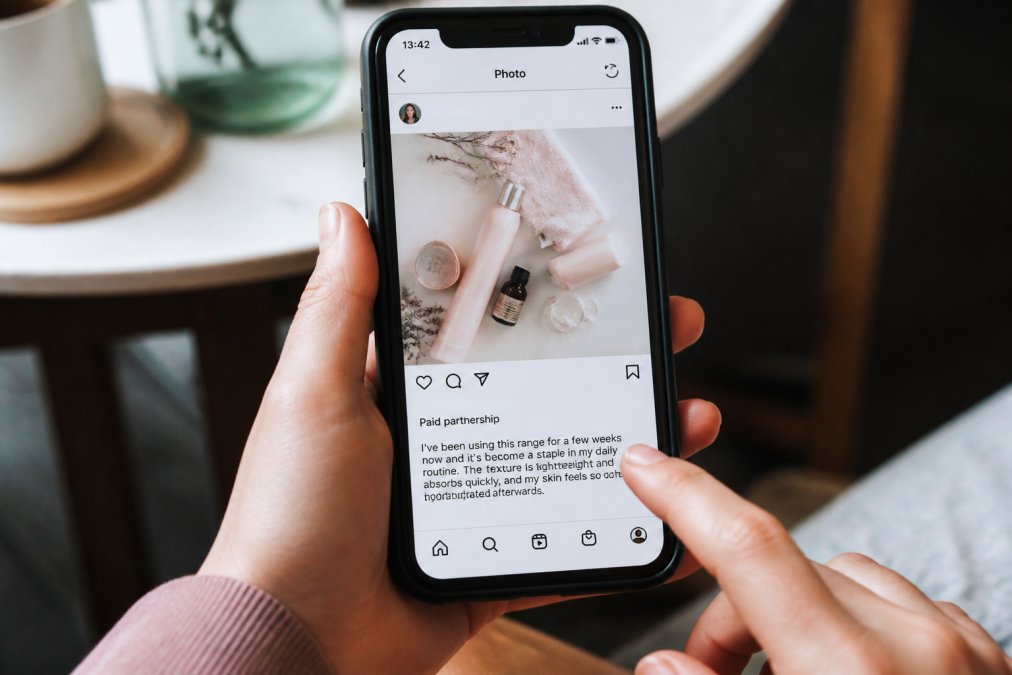
Here's what proper disclosure looks like on Instagram.
A sponsored post with clear disclosure:
Caption starts: "Paid partnership with [Brand]. I've been using their skincare routine for three months and genuinely love the results."
The "Paid partnership" tag appears at the top of the post. Followers see it before they see the image.
A gifted product post:
Caption: "This skincare set was sent to me by [Brand] for review. Here's what I think..."
The disclosure comes first. The review comes second.
An affiliate post:
Caption: "I've linked my favourite skincare products in my bio. I earn a small commission when you purchase through my links."
This works for multiple products. One disclosure covers all affiliate links.
Influencer Disclosure Templates You Can Use
Use these templates to get started. Adapt them to your brand voice.
Paid Partnership Template:
"Paid partnership with [Brand Name]. I've partnered with them because [reason]. Here's what makes their [product] special..."
Gifted Product Template:
"[Brand Name] sent me their [product] to try. I always share honest reviews, so here's what I think..."
Affiliate Link Template:
"I've linked my favourite [product category] in my bio. I earn a small commission when you purchase through my links, at no extra cost to you."
Sponsored Video Template:
"This video is sponsored by [Brand Name]. We've partnered because [reason]. Here's what you need to know..."
Common Mistakes to Avoid
Many influencers make the same disclosure mistakes repeatedly.
Mistake 1: Hiding the disclosure in a comment.
Followers don't read comments. Put it in the caption or use the platform's native tools.
Mistake 2: Using vague language.
"Thanks to [Brand]" is not a disclosure. Use clear words: "Paid partnership", "Sponsored", "Ad".
Mistake 3: Placing disclosure at the end.
Followers scroll past. Put it at the top.
Mistake 4: Assuming Stories don't need disclosure.
Stories are temporary. Disclosure is permanent. Use the sticker feature.
Mistake 5: Forgetting about affiliate links.
If you earn commission, disclose it. Every time.
Mistake 6: Not documenting agreements.
Write it down. Email it. Get confirmation. Verbal agreements don't count.
Mistake 7: Inconsistent disclosure across platforms.
Use the same disclosure language everywhere. Consistency builds trust.
Managing Disclosure Compliance Across Multiple Campaigns
If you're running multiple campaigns simultaneously, organisation is essential.
Create a spreadsheet. List every active partnership. Include:
- Brand name
- Campaign dates
- Disclosure language used
- Platforms involved
- Status (live, scheduled, ended)
Review it weekly. Check that every active post has proper disclosure.
When campaigns end, archive the data. You may need it later for compliance audits.
DG Digital Marketing offers a centralised platform for organising, tracking, and sharing influencer campaign data.
Frequently Asked Questions
What is the legal requirement for influencer disclosure in the UK?
The Advertising Standards Authority (ASA) requires influencers to clearly disclose any paid partnerships, gifted products, or affiliate relationships before followers see the content. Disclosures must be upfront and obvious, not buried in comments or captions. Failure to comply can result in content removal, brand penalties, and reputational damage. The ASA treats influencer disclosure rules the same as traditional advertising regulations.
How do I disclose a gifted product on Instagram?
Use #ad or #sponsored at the very beginning of your caption or in the first line of your post. For Stories and Reels, add the 'Paid Partnership' sticker or tag the brand directly. If you're using affiliate links, include #ad alongside the link. Gifted products count as sponsored content under ASA guidelines, so disclosure is mandatory even if you weren't paid in cash.
What happens if an influencer fails to disclose a paid partnership?
The ASA can issue warnings, require content removal, or escalate complaints to social platforms. Brands can face reputational damage and loss of consumer trust. Repeated violations may result in the influencer losing access to brand partnerships. For agencies managing multiple campaigns, centralised tracking can help manage the complexity of diverse client portfolios.
Is #ad enough for influencer disclosure?
Yes, #ad is sufficient on Instagram and TikTok when placed prominently at the start of captions or in video text overlays. However, pairing it with #sponsored or #partner strengthens clarity. The key requirement is that the disclosure appears before followers need to click 'more' to see the full caption. On Stories, use the 'Paid Partnership' sticker instead of hashtags.